
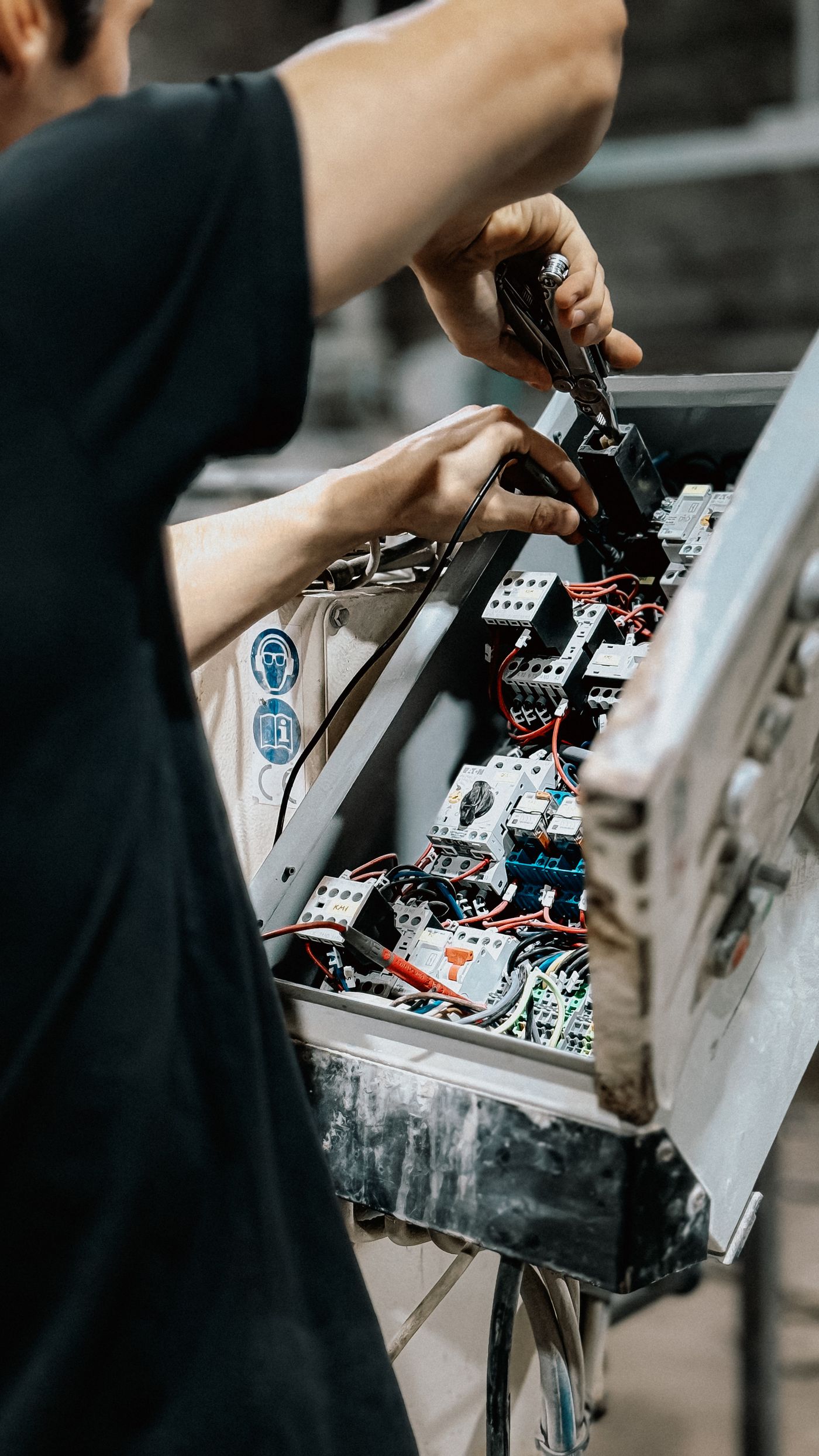
What is electrical work and electrical installation management?
Electrical work includes the design, installation, modification, repair and inspection of electrical installations. The main goal is to ensure that electrical equipment and systems are properly installed and safe to use. Electrical work includes the installation of lighting systems, sockets, switchboards and other systems, as well as upgrades.
electrical installation management is the organization of safe use and maintenance of already existing electrical installations. This means monitoring the condition of electrical systems, checking, organizing maintenance and managing the necessary documentation. Both electrical work and non-electrical work are carried out within the scope of electrical work. While electrical work focuses mainly on creating and changing systems, electrical installation management ensures the long-term and proper functioning of these systems after installation.

Why is electrical installation management necessary?
Electrical installations must be safe and easy to use. Regular electrical installation management helps identify potential defects before they cause failures, equipment damage or dangerous situations. The condition of an electrical system can change over time because of ageing equipment, operating loads and external influences. Systematic maintenance and inspection allow repairs to be planned and reduce unexpected interruptions. Electrical installation management is particularly important in larger buildings and industrial facilities, where reliable electrical systems directly affect daily operations; in Estonia, it is mandatory for installations with a main fuse rating of 100 A or more.
What does an electrical installation management consist of?
The maintenance plan reflects the organizational arrangement of the operation, electrical hazard awareness, documentation of the electrical installation, work organization, operating and inspection procedures. Due to the fact that the electrical installations are different, the maintenance plans are also different – the specific work and frequency of operation may vary. To create an overview, we have proposed the following sample plan.
Elektripaigaldise kuukäidu raames teostatakse näiteks järgmiseid töid
- testing of residual current circuit breakers;
- partial testing of emergency lights;
- partial inspection of the electrical installation.
Aastase käidu raames teostatakse näiteks järgmiseid töid
- tested:
- residual current protection switches;
- emergency lights.
- checked:
- presence of labels and markings;
- the existence and accuracy of electrical diagrams;
- of the electrical installation visually;
- connecting terminals;
- circuit breakers;
- cable markings and accuracy;
- compliance with protective equipment requirements;
- the condition of screw and bolted connections;
- presence of seals;
- the condition of electricity meters;
- correctness of program times;
- touch protection;
- light sources;
- operation and timely switching on of lighting control devices;
- lightning protection.
- vibration and noise of contactors and relays are detected;
- it is confirmed that there are no traces of heating.
The customer is notified of the deficiencies identified during the monthly or annual maintenance, after which the maintenance provider offers possible solutions to eliminate them.
Frequently asked questions
How often is the electrical installation management carried out?
electrical installation management is individual and is carried out according to the plan drawn up by the responsible electrical supervisor -1 to 12 times a year.
Who is responsible for the maintenance of the electrical installation?
The owner is responsible for the electrical installation. Considering the importance of responsibility, it is especially important to choose a reliable partner who will maintain the installation.